If you would like a FREE quote,
you're in the right place!
We will be sure to respond with our quote in less than 24 hours.

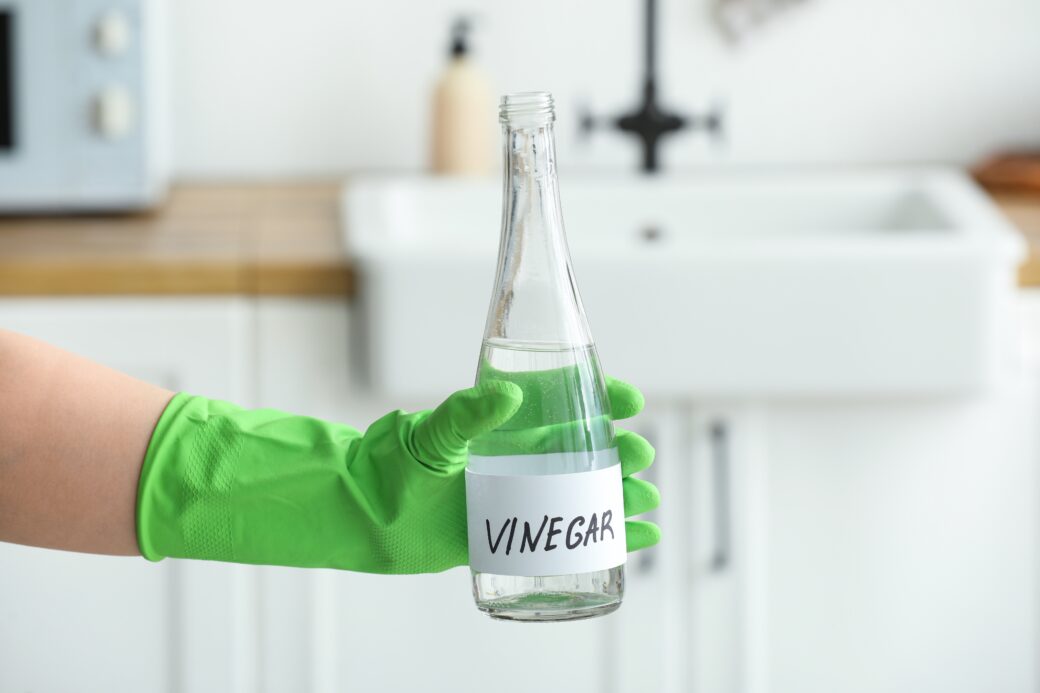
Hospitals sometimes use vinegar, particularly white distilled vinegar, for cleaning in specific situations, although it’s not as common as some of the other disinfectants mentioned earlier.
Vinegar has mild antimicrobial properties due to its acetic acid content. While it’s not as strong as hospital-grade disinfectants like bleach or hydrogen peroxide, vinegar can still help in reducing germs on surfaces in lower-risk areas, especially when used in conjunction with other cleaning methods.
Vinegar is a natural, non-toxic substance, which makes it appealing for cleaning surfaces that need to be safe for both patients and staff. It’s a more eco-friendly option than some harsh chemicals, which is why some hospitals may use it in less critical environments (e.g., offices, break rooms, or non-patient areas).
Vinegar is effective at neutralizing odors, which can be helpful in hospital environments where smells might linger. It can also help clean areas that may harbor odors, like patient rooms or bathrooms.
In areas where hard water buildup is a concern (e.g., sinks, faucets, showerheads), vinegar can be effective at dissolving mineral deposits, helping maintain the cleanliness and appearance of hospital fixtures.
Vinegar is a relatively inexpensive cleaning agent. In some cases, hospitals may use it as part of a broader cost-saving strategy, especially for less critical cleaning tasks.
While vinegar can be useful in some cleaning situations, it’s not a powerful disinfectant compared to other hospital-grade products. It’s not effective against a wide range of pathogens like hospital disinfectants are, so it’s typically only used in non-critical cleaning applications or in combination with stronger disinfectants.



Leave a Comment