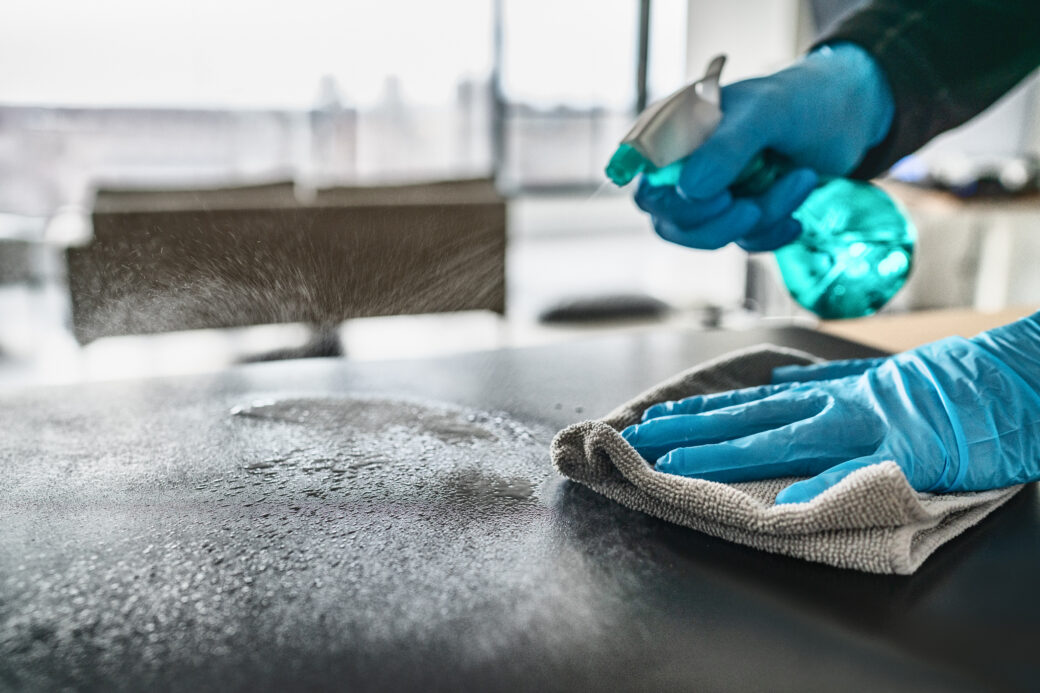
In hospitals, a variety of liquids are used for cleaning and disinfecting surfaces, equipment, and hands. The specific types of cleaning liquids depend on what needs to be cleaned and the level of disinfection required.
Here are some common types…
Disinfectants
- Chlorine-based solutions (e.g., bleach) – Used for cleaning surfaces and sanitizing areas that need to be disinfected, like restrooms, operating rooms, and patient rooms.
- Hydrogen peroxide – Often used for surface cleaning and disinfection, especially on equipment and medical devices.
- Quaternary ammonium compounds (Quats) – Used for disinfecting hard surfaces like floors, walls, and counters.
- Alcohol (Isopropyl or Ethanol) – Commonly used for cleaning small surfaces and equipment, including hand sanitizers for hand hygiene.
Detergents
- Neutral detergents – Used for general cleaning, removing dirt, oils, and grime from surfaces without affecting surfaces or causing damage.
- Enzyme-based cleaners – Used for more specialized cleaning, like removing organic material from surgical instruments or fabrics.
Sterilization Solutions
- Glutaraldehyde – Used for disinfecting medical equipment, especially for items that cannot be autoclaved.
- Peracetic acid – A powerful sterilizing agent used for cleaning equipment that needs a high level of disinfection.
Hand Sanitizers
- Alcohol-based hand sanitizers are widely used by healthcare workers for hand hygiene, particularly when soap and water aren’t available.
Hospitals use these liquids in combination, depending on the specific area and equipment being cleaned. It’s also important that these cleaners are used according to their guidelines to be effective in preventing the spread of infections.




Leave a Comment