Hospital-grade cleaning refers to cleaning and disinfecting practices specifically designed to meet the stringent standards required in healthcare settings to prevent the spread of infections and maintain a sterile, safe environment for patients, staff, and visitors. It involves using specialized cleaning methods, equipment, and disinfectants that effectively eliminate a broad range of pathogens, including bacteria, viruses, and fungi.
Key Features of Hospital-Grade Cleaning…
- Use of Hospital-Grade Disinfectants
- These are powerful, broad-spectrum disinfectants that meet regulatory standards (such as those from the EPA) to kill harmful microorganisms.
- Examples: Chlorine-based disinfectants (bleach), quaternary ammonium compounds, hydrogen peroxide, and alcohol-based sanitizers.
- Strict Infection Control Protocols
- Cleaning protocols follow established infection control guidelines, often set by hospital infection control committees and public health organizations (e.g., CDC, WHO).
- These protocols ensure cleaning is thorough and that high-risk areas (e.g., patient rooms, operating rooms, ICUs) are treated with extra care.
- Focus on High-Touch Surfaces
- High-touch areas like doorknobs, light switches, bed rails, phones, and shared equipment are given special attention during hospital-grade cleaning to reduce the risk of cross-contamination.
- Thorough Cleaning Process
- Cleaning – First step to remove dirt, dust, and visible contamination from surfaces.
- Disinfecting – Applying disinfectants to surfaces, allowing them time to “dwell” or stay wet to kill pathogens.
- Sterilizing – In some cases (e.g., surgical instruments), complete sterilization may be required to eliminate all microbial life.
- Use of PPE
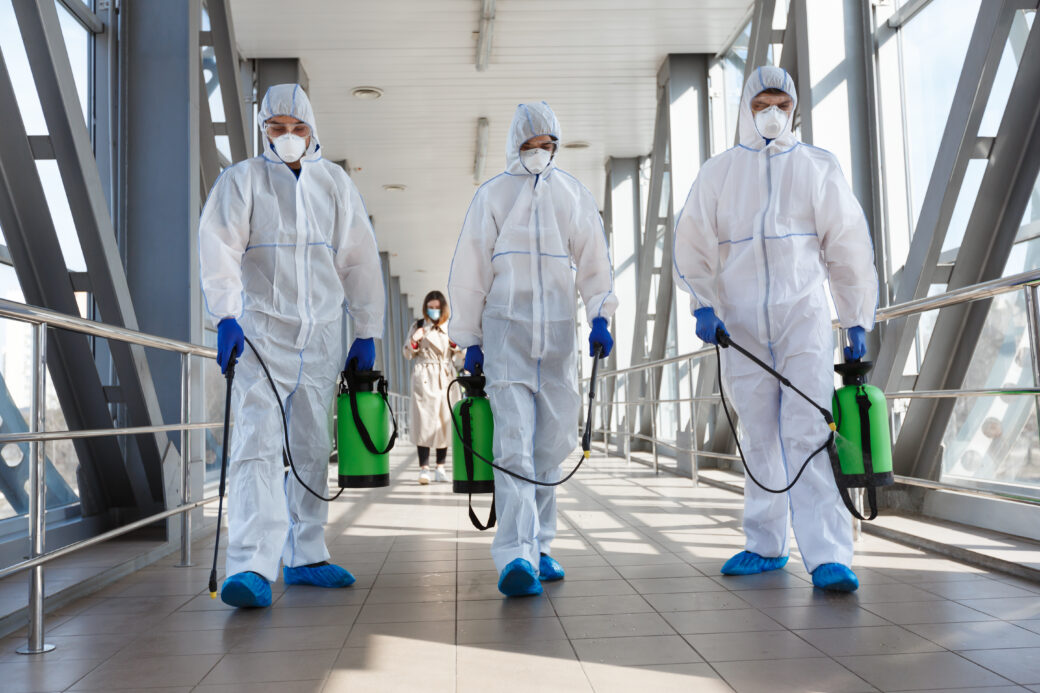
- Cleaning staff wear personal protective equipment (PPE), including gloves, masks, gowns, and sometimes face shields, to avoid cross-contaminating surfaces or themselves.
- Regular and Scheduled Cleaning
- Frequent cleaning, especially in high-risk areas, is crucial. For instance, high-touch surfaces in patient rooms may be cleaned multiple times a day, while terminal cleaning is performed after patient discharge.
- Specialized Cleaning Tools
- Automated scrubbers, steam cleaners, and microfiber mops are often used to ensure surfaces are cleaned effectively without spreading contaminants.
- UV light or other advanced technologies may also be used in some hospitals to further disinfect rooms or surfaces.
Why is Hospital-Grade Cleaning Important?
- Infection Control – Hospitals are high-risk environments where patients are vulnerable to infections, some of which can be life-threatening. Hospital-grade cleaning reduces the risk of hospital-acquired infections (HAIs).
- Regulatory Compliance – Hospitals must adhere to strict cleaning and disinfection standards set by regulatory bodies (like OSHA, the CDC, and JCAHO) to ensure patient safety and maintain accreditation.
In short, hospital-grade cleaning is the standard of cleanliness required to maintain a sterile and safe environment in healthcare facilities, ensuring that both routine cleaning and deep disinfection processes are performed to the highest standards.




Leave a Comment