Cleaning in the hospital refers to the process of maintaining a sanitary, safe, and hygienic environment in all areas of a healthcare facility. The goal is to prevent the spread of infections, protect patient health, and create a safe space for staff, visitors, and patients. It goes beyond general cleaning to include specialized procedures for infection control.
Key Aspects of Hospital Cleaning…
- Routine Cleaning
- Regular cleaning of high-touch surfaces, floors, restrooms, and patient rooms to remove dirt, dust, and visible debris.
- Ensures a clean and safe environment for daily hospital activities.
- Disinfection
- The use of hospital-grade disinfectants to kill harmful microorganisms like bacteria, viruses, and fungi.
- Critical for high-risk areas like operating rooms, intensive care units (ICUs), and patient rooms.
- Sterilization
- Used for medical instruments and equipment that come into direct contact with patients.
- Ensures all microbial life, including bacteria and spores, is completely eliminated.
- Terminal Cleaning
- Deep cleaning performed after a patient is discharged or transferred, especially if they had an infectious disease.
- Includes disinfecting all surfaces and sometimes steam cleaning carpets or furniture.
- Specialized Areas
- Certain areas, like operating rooms and isolation rooms, require more stringent cleaning protocols to prevent cross-contamination and infections.
- Isolation rooms may require specific cleaning methods to contain contagious diseases.
- High-Touch Areas
- Cleaning focuses on high-touch surfaces such as door handles, light switches, bed rails, call buttons, and medical equipment.
- These are the primary areas where germs can spread.
- PPE (Personal Protective Equipment)
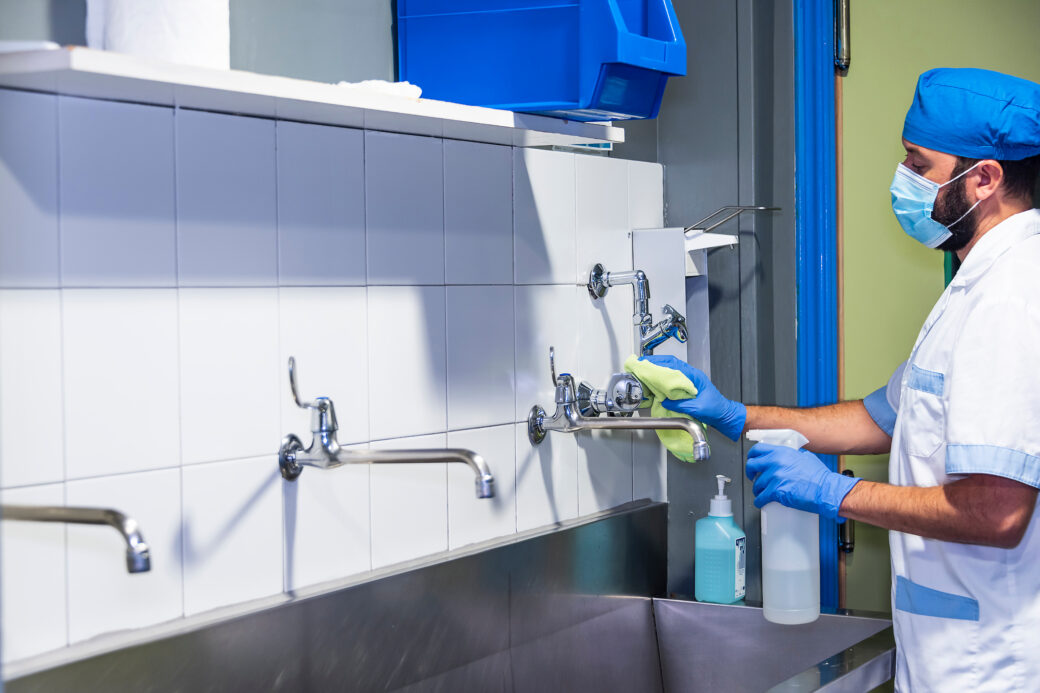
- Hospital cleaners wear PPE, such as gloves, gowns, masks, and face shields, to protect themselves and prevent contamination.
In summary, hospital cleaning involves a rigorous and systematic approach to ensure the facility is safe, clean, and infection-free. It includes routine cleaning, disinfection, sterilization of medical instruments, and specialized cleaning for high-risk areas, all while adhering to strict protocols to ensure patient safety.




Leave a Comment