In hospitals, cleaning is a multi-step process that focuses on maintaining a sterile and safe environment for patients, staff, and visitors. Different types of cleaning are used depending on the area being cleaned, the level of contamination, and the specific tasks required.
Here are the main types of cleaning that take place in hospitals…
General Cleaning (Routine Cleaning)
- Purpose – This is the daily or regular cleaning of surfaces and areas that don’t require a high level of disinfection but still need to be maintained for hygiene and appearance.
- Areas – Patient rooms, hallways, waiting rooms, offices, and other common spaces.
- Methods – Dusting, mopping floors, cleaning windows, wiping down countertops and furniture, vacuuming, and changing linens.
- Frequency – Generally done once or twice a day, depending on foot traffic and the area.
Disinfection
- Purpose – Disinfection is the process of killing or inactivating harmful microorganisms (like bacteria, viruses, and fungi) on surfaces. It is more thorough than general cleaning and is used in areas with higher contamination risks.
- Areas – Operating rooms, intensive care units (ICU), emergency rooms, bathrooms, patient rooms, and high-touch surfaces like doorknobs, light switches, and bed rails.
- Methods – Use of hospital-grade disinfectants (e.g., chlorine bleach, hydrogen peroxide, quaternary ammonium compounds). These are typically sprayed or wiped onto surfaces and left for a specific contact time to ensure efficacy.
- Frequency – These areas may require disinfection multiple times per day or between patient use.
Sterilization
- Purpose – Sterilization is the process of completely killing or removing all forms of microbial life, including bacteria, viruses, fungi, and spores. This is crucial for surgical instruments and other medical equipment that come into direct contact with sterile areas of the body.
- Methods – Sterilization can be achieved through various methods, such as:
- Autoclaving (steam sterilization) -The most common method, where items are exposed to high-pressure steam at a high temperature.
- Gas sterilization (e.g., using ethylene oxide) – Used for heat-sensitive equipment.
- Radiation sterilization – Involves exposure to gamma or electron beams for equipment that can’t be autoclaved.
- Frequency – Sterilization is done whenever reusable medical instruments or tools need to be prepared for a new patient.
Terminal Cleaning
- Purpose – This type of cleaning is done when a patient is discharged or moved from an area. It ensures that the environment is thoroughly cleaned and disinfected before a new patient is admitted.
- Areas – Patient rooms, operating theaters, intensive care units, and other areas that require high levels of cleanliness.
- Methods – A deep clean involving disinfection of all surfaces, including walls, floors, light fixtures, and any equipment used by the patient. This may involve removing all linens, wiping down surfaces with strong disinfectants, and replacing items like pillows or mattress covers.
- Frequency – Performed after each patient discharge or transfer, especially in high-risk areas like operating rooms or ICUs.
Isolation Cleaning
- Purpose – When a patient is diagnosed with a contagious disease (e.g., MRSA, COVID-19, or tuberculosis), their room and any equipment they use must be cleaned and disinfected with a higher level of care to prevent the spread of infection.
- Areas – Isolation rooms, areas with airborne or contact precautions, and rooms with highly infectious patients.
- Methods – Use of stronger disinfectants, ensuring that all surfaces (including walls, floors, and equipment) are thoroughly cleaned, and using personal protective equipment (PPE) like gloves, gowns, and masks for cleaners.
- Frequency – Cleaning is typically done more frequently (often multiple times per day) during the patient’s stay, especially if the patient’s condition is contagious.
High-Touch Surface Cleaning
- Purpose – Focuses on cleaning and disinfecting areas that are touched frequently, as these surfaces are more likely to harbor germs and contribute to the spread of infections.
- Areas – Doorknobs, light switches, handrails, telephones, elevator buttons, bed rails, and computer keyboards.
- Methods – Wiping down with hospital-grade disinfectants that target high-risk pathogens.
- Frequency – These surfaces may be cleaned multiple times throughout the day, depending on traffic and the area’s risk level.
Deep Cleaning
- Purpose – A more thorough cleaning than regular or routine cleaning, involving areas that aren’t cleaned on a daily basis. This is often done in areas where there is heavy use or contamination.
- Areas – Floors, ceilings, vents, air conditioning systems, and areas behind or under furniture that aren’t regularly cleaned.
- Methods – Scrubbing, steam cleaning, or using specialized equipment to remove deep dirt, grime, and bacteria buildup.
- Frequency – Performed periodically (e.g., monthly, quarterly) or as needed in high-traffic or high-risk areas.
Environmental Cleaning (e.g., Air Handling Units)
- Purpose – Ensures that the hospital’s ventilation systems and air filters are cleaned to prevent the spread of airborne pathogens and to maintain air quality.
- Methods – Cleaning and changing air filters, wiping down air vents, and ensuring that air ducts are free of debris.
- Frequency – Typically done periodically, according to the maintenance schedule for the building’s HVAC system.
Waste Disposal and Management
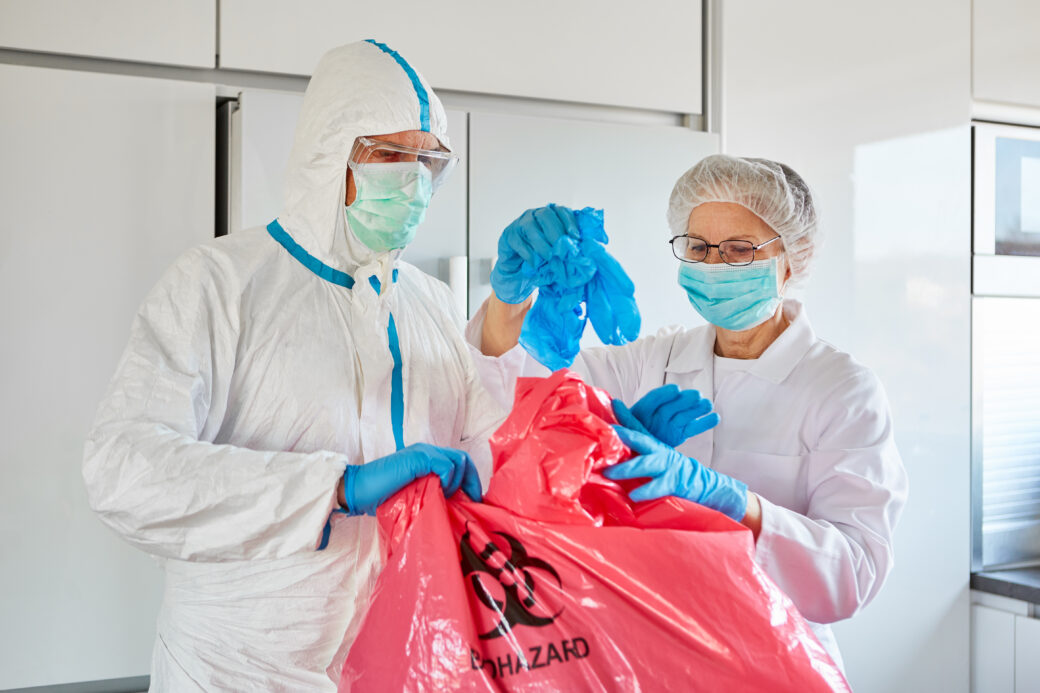
- Purpose – Safe removal and disposal of medical waste, which includes biohazardous materials, sharps, and other items contaminated with bodily fluids or pathogens.
- Areas – Waste bins in patient rooms, surgical areas, laboratories, and any other area that generates medical waste.
- Methods – Proper segregation and disposal according to regulatory guidelines, using designated bins and containers (e.g., red bags for biohazardous waste, puncture-proof containers for sharps).
- Frequency – Medical waste is collected and removed frequently throughout the day, especially in high-risk areas.
Laundry and Linen Management
- Purpose – Ensuring that linens used by patients (e.g., bed sheets, towels, gowns) are cleaned and disinfected to prevent the spread of infections.
- Methods – Washing linens at high temperatures, using hospital-grade detergents and disinfectants to kill germs.
- Frequency – Linens are replaced and washed after every use, or as needed, depending on the hospital’s protocol.
Each of these cleaning processes plays a critical role in maintaining hospital hygiene and reducing the risk of infection for patients, healthcare workers, and visitors.




Leave a Comment