Hospitals use a variety of cleaning materials to maintain a high standard of hygiene, minimize the risk of infections, and ensure a safe environment for both patients and healthcare workers. The materials used must be effective in cleaning, disinfecting, and sanitizing surfaces, while also being safe and non-toxic.
Here’s a breakdown of the essential cleaning materials commonly used in hospitals…
Disinfectants
Disinfectants are the cornerstone of hospital cleaning, as they kill harmful pathogens like bacteria, viruses, and fungi. Different disinfectants are used based on the surface or area being cleaned and the type of infection risk.
Common Types of Disinfectants
- Quaternary Ammonium Compounds (Quats) – These are widely used for general cleaning and disinfection. They are effective against a broad range of bacteria and viruses and are used on high-touch surfaces like door handles, light switches, and bedrails.
- Chlorine Bleach (Sodium Hypochlorite) – Used in areas requiring deep disinfection, especially when dealing with Clostridium difficile (C. diff), norovirus, or other hard-to-kill pathogens. It’s typically used for cleaning toilets, sinks, and floors in high-risk areas.
- Hydrogen Peroxide – Effective for disinfecting a wide range of surfaces and is often used in operating rooms and intensive care units (ICUs). It breaks down into water and oxygen, making it a safer and more environmentally friendly option.
- Alcohol-based Disinfectants – These are typically used for cleaning patient equipment, electronic devices, and hands (hand sanitizers). They are effective in killing germs but may not work well on dirty surfaces.
- Phenolic Compounds – Used in high-risk areas, particularly for disinfection in settings where persistent bacteria (like MRSA) may be a concern. They are often used for cleaning floors and surfaces in hospital rooms.
Detergents
Detergents help to remove dirt, grease, and stains from surfaces by breaking down the oils and organic materials that dirt sticks to. These are typically used before disinfection to ensure that surfaces are free of debris that might inhibit disinfectants from working effectively.
Common Detergents
- Neutral pH Detergents – These are often used for cleaning general areas, including patient rooms and floors, as they are safe for most surfaces and won’t damage them.
- Acidic or Alkaline Detergents – Sometimes used for specialized cleaning, such as cleaning bathrooms, sinks, or tiles. Acidic detergents help remove mineral deposits (e.g., limescale), while alkaline detergents are good for breaking down grease.
Sanitizers
Sanitizers are used when a full disinfection process isn’t necessary, or when the surface requires less intense cleaning. They reduce the number of germs to a safe level as determined by public health standards.
Common Sanitizers
- Alcohol-based Hand Sanitizers – Used in hospitals for hand hygiene. These sanitizers usually contain 60-95% alcohol (ethanol or isopropyl alcohol) to kill germs quickly when soap and water are unavailable.
- Iodophor Sanitizers – These are iodine-based sanitizers, often used for disinfecting surgical equipment or as part of pre-operative preparation.
Cleaning Tools
The effectiveness of hospital cleaning also depends on the proper use of cleaning tools. Tools should be regularly cleaned and sanitized to prevent cross-contamination.
Common Cleaning Tools
- Microfiber Cloths – These are essential in healthcare cleaning because they are highly effective at capturing dust, dirt, and germs. Microfiber cloths can be used for general cleaning of surfaces or to wipe down high-touch areas.
- Mops and Buckets – Hospital mop heads are often made of microfiber, as they capture dirt more efficiently. Disposable mop heads or color-coded mops help prevent cross-contamination between different areas (e.g., isolation rooms vs. general rooms).
- Vacuum Cleaners – HEPA-filtered vacuums are essential for hospital cleaning to reduce airborne contaminants, especially in areas with carpets or soft surfaces.
- Scrub Brushes – Used for scrubbing stubborn stains or dirt, particularly in bathrooms and high-touch areas like sink faucets or toilets.
- Brooms and Sweepers – Used to remove dust and debris from floors before mopping or further disinfecting.
Paper Products
Hospitals use a variety of paper products for cleaning, sanitizing, and maintaining hygiene.
Common Paper Products
- Paper Towels – Used for drying hands and wiping down surfaces, especially in patient rooms and bathrooms.
- Disposable Wipes – Often pre-moistened with disinfectant or sanitizer, these wipes are convenient for cleaning and disinfecting small areas or equipment. They are used for cleaning high-touch surfaces, patient care equipment, and sometimes even patient rooms.
- Toilet Paper – Necessary in all hospital bathrooms for patient use.
- Disposable Bed Linens – Used to ensure that patients are sleeping on clean surfaces, and are often changed after every patient discharge or transfer.
Air Fresheners and Odor Neutralizers
Maintaining a clean-smelling hospital environment is essential for patient comfort and hygiene. Air fresheners and odor neutralizers help to mask unpleasant odors and improve air quality.
Common Products
- Odor Absorbers – Hospital rooms or bathrooms may use products like baking soda, charcoal, or activated carbon to absorb odors in rooms or carpets.
- Spray Air Fresheners – Disinfecting air fresheners are sometimes used in areas like waiting rooms, patient rooms, or hallways. These are used cautiously to avoid irritating patients or staff with strong scents.
Sterilizing Solutions
Sterilizing solutions are used for cleaning medical equipment and instruments to ensure that they are free from all forms of microbial life, including bacteria, viruses, and fungi.
Common Sterilizing Solutions
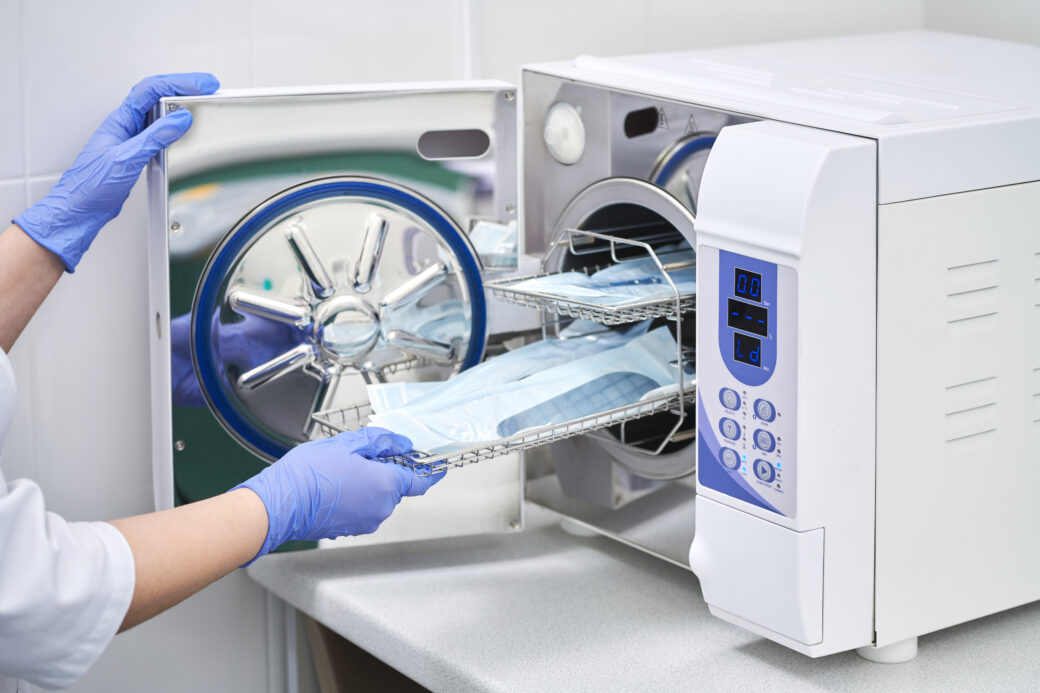
- Autoclaves – Hospital-grade sterilizers (often steam-based) that are used to sterilize medical instruments and equipment.
- Ethylene Oxide (EtO) – A gas used to sterilize equipment that cannot be exposed to high heat, such as plastic surgical tools or sensitive electronics.
- Glutaraldehyde – A powerful liquid disinfectant and sterilizer, often used for medical devices that cannot be autoclaved.
Specialty Cleaning Products
Certain areas in hospitals require specialized cleaning materials due to their unique conditions or infection risks.
Examples
- C. difficile Cleaning Solutions – These require a bleach-based disinfectant because C. diff spores are difficult to kill with standard disinfectants.
- Surgical Site Cleaning Products – Surgical areas require specific cleaning and disinfecting agents designed for use in sterile environments.
- Endoscope Cleaning Solutions – Used to clean and disinfect flexible endoscopes and other sensitive medical devices between uses to prevent cross-contamination.
Cleaning Equipment
Advanced equipment is often used for deep cleaning and ensuring that all areas of a hospital are properly sanitized.
Examples
- UV-C Light Disinfection – Some hospitals use UV-C light devices to disinfect high-touch areas or rooms by killing pathogens with ultraviolet radiation.
- Foggers and Sprayers – These are used to disinfect large areas quickly, especially in high-risk areas or after a patient with an infectious disease has been discharged.
Hospitals rely on a combination of disinfectants, detergents, sanitizers, cleaning tools, and equipment to maintain cleanliness and infection control. It’s important that the correct materials are used for specific tasks and that all cleaning procedures adhere to strict protocols to prevent the spread of infections. Regular staff training on the proper use of these materials, as well as proper disposal methods, is essential for ensuring hospital hygiene standards are met.




Leave a Comment