In nursing homes, cleaning urine promptly and effectively is crucial to maintain a sanitary and odor-free environment for residents.
Here’s what they typically use to clean urine and ensure proper sanitation…
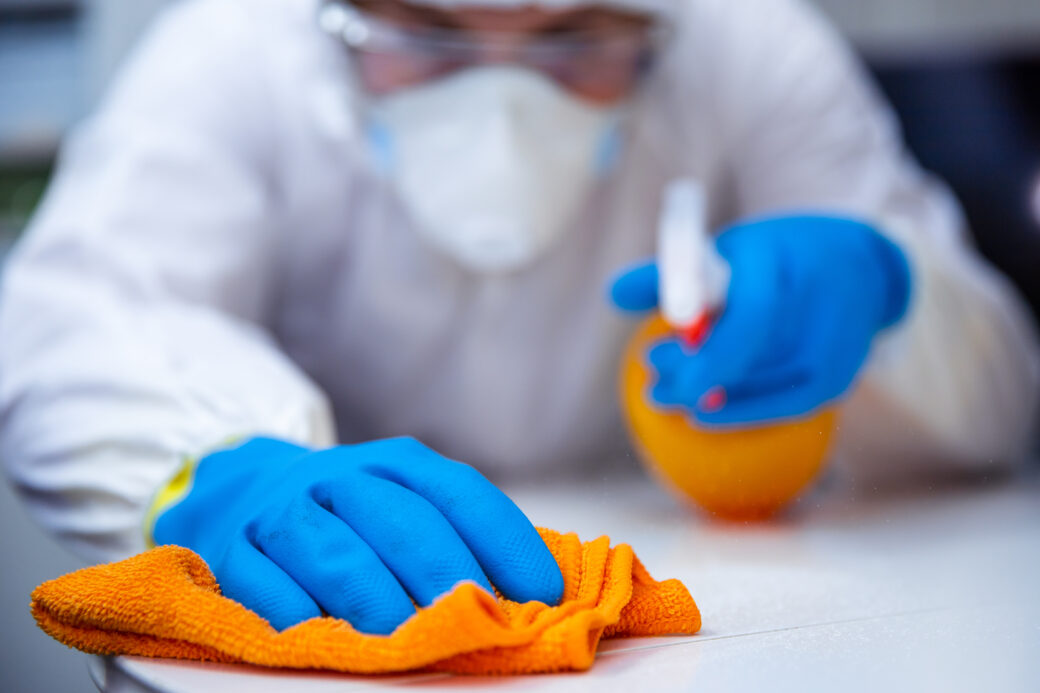
Disinfectant Cleaners
- Hospital-grade disinfectants – Nursing homes often use hospital-grade disinfectants to clean urine because they effectively kill bacteria and viruses that could contribute to infections. These cleaners are designed to be tough on germs while still safe for frequent use in sensitive environments.
- Urine-specific cleaners – There are also cleaners specifically formulated to break down uric acid crystals in urine, which helps prevent odors and staining. These products contain enzymes or bioactive agents that break down urine molecules.
- Example – OdorX Urine Cleaner or Simple Green Urine Cleaner.
Enzyme-Based Cleaners
- Enzyme cleaners – These are often used because they break down the proteins and uric acid in urine, eliminating both the stain and the odor. Enzyme-based cleaners are especially effective for older stains or urine that has dried.
- They are typically safe for use on most surfaces, including carpets, upholstery, and hard floors, making them versatile for nursing home settings.
Disposable Absorbent Pads
- Absorbent pads – For quick absorption, nursing homes may use disposable absorbent pads or urine absorbent sheets placed on the floors or bedsides. These pads soak up the urine quickly to prevent spreading and staining while a cleaner is brought in to sanitize the area.
- Products like chux pads are common for dealing with urine spills in patient rooms or bathrooms.
Steam Cleaners
- Steam cleaners – In some cases, nursing homes use steam cleaning machines for deep cleaning of carpets or hard floors, especially in areas where urine has soaked into the surface. The high heat helps kill bacteria, neutralize odors, and remove stains without the use of harsh chemicals.
Disinfecting Wipes
- Pre-moistened disinfecting wipes – For smaller urine spills or for cleaning surfaces (like bedrails, chairs, or grab bars in bathrooms), nurses or environmental service staff may use disinfecting wipes. These wipes are often formulated to clean and disinfect in one step and are quick to use when time is a factor.
Vinegar and Baking Soda
- Some nursing homes, particularly those that focus on natural cleaning methods, may use a combination of white vinegar and baking soda. This mixture can help neutralize odors and disinfect surfaces. Baking soda absorbs moisture, while vinegar acts as a mild disinfectant.
Odor Neutralizers
- After cleaning, odor neutralizers or air fresheners might be used in areas where urine odor is particularly persistent. These products may be sprayed directly onto surfaces or used in the air, helping to eliminate any remaining smells.
UV-C Light Sanitizers (Emerging Technology)
- Some nursing homes use UV-C light devices to disinfect surfaces and kill bacteria or viruses, including those that may be lingering after urine cleaning. These devices can be particularly useful for sanitizing hard-to-reach places.
Steps in Cleaning Urine in Nursing Homes
- Absorb the urine – If the urine is still fresh, absorb it with an absorbent pad, towel, or cloth.
- Disinfect – Use an enzyme-based cleaner or hospital-grade disinfectant to clean the area. Focus on both the visible area and any potential areas where urine may have seeped.
- Scrub and Rinse – For any stubborn stains, a scrub brush may be used, followed by a rinse with clean water.
- Dry the Area – Ensure the area is thoroughly dried to prevent further bacterial growth or slipping hazards.
- Deodorize – After cleaning, use deodorizing sprays or odor neutralizers if needed to eliminate any lingering smells.
Why It’s Important
Properly cleaning and disinfecting urine is crucial in nursing homes to…
- Prevent the spread of infections and bacteria, especially among vulnerable populations.
- Ensure the environment is safe, hygienic, and pleasant for residents.
- Maintain the integrity of floors, carpets, and furniture by preventing stains and odors.




Leave a Comment