3-stage cleaning is a systematic cleaning process that is commonly used in various industries, including hospitals, commercial spaces, and foodservice environments. The process breaks down cleaning into three distinct stages, each designed to ensure thorough cleanliness and disinfection, while reducing the risk of cross-contamination.
Here’s a breakdown of what happens in each stage…
Pre-Cleaning (or Initial Cleaning)
Purpose – The goal of the pre-cleaning stage is to remove loose dirt, debris, and organic matter from surfaces. This stage is crucial because dirt and debris can interfere with the effectiveness of disinfectants during the next stages of cleaning.
Key Activities
- Dusting and Sweeping – Dust, debris, and larger particles are removed from surfaces and floors. In healthcare settings, this can involve dusting high-touch surfaces (light switches, door handles) and vacuuming floors to remove visible dirt.
- Dry Cleaning – Surfaces are wiped or scrubbed to remove sticky or visible dirt, such as grease or food particles.
- Initial Disinfection (if necessary) – In some cases, a pre-spray of mild detergent or disinfectant is applied to surfaces before deeper cleaning or mopping begins. This is especially important in areas with visible contamination.
Why It’s Important
- This stage helps loosen debris and prepare surfaces for the more thorough cleaning and disinfection that follows.
- Without this first step, dirt and debris can form a barrier, preventing disinfectants from fully making contact with surfaces.
Cleaning (or Main Cleaning)
Purpose – In this stage, detergents and cleaning agents are used to remove grime, stains, and dirt that remains on surfaces after pre-cleaning.
Key Activities
- Using Detergents – Cleaning solutions (like neutral pH detergents or degreasers) are applied to surfaces to remove oils, dirt, and stains.
- Scrubbing and Wiping – Surfaces are scrubbed or wiped down to remove more stubborn dirt. In hospitals, tools like microfiber cloths or scrub brushes are often used to scrub down high-touch surfaces like beds, counters, and toilets.
- Mopping Floors – Floors are mopped using the appropriate solution (detergent and water mix) to clean large surface areas.
Why It’s Important
- This stage breaks down dirt and grime, making it easier to remove during the next stage.
- Main cleaning ensures that surfaces are visibly clean and prepared for disinfection, which is essential for maintaining a hygienic environment, particularly in healthcare.
Disinfection (or Final Cleaning)
Purpose – The primary goal of this stage is to kill harmful microorganisms (such as bacteria, viruses, and fungi) and sanitize the space to a safe level.
Key Activities
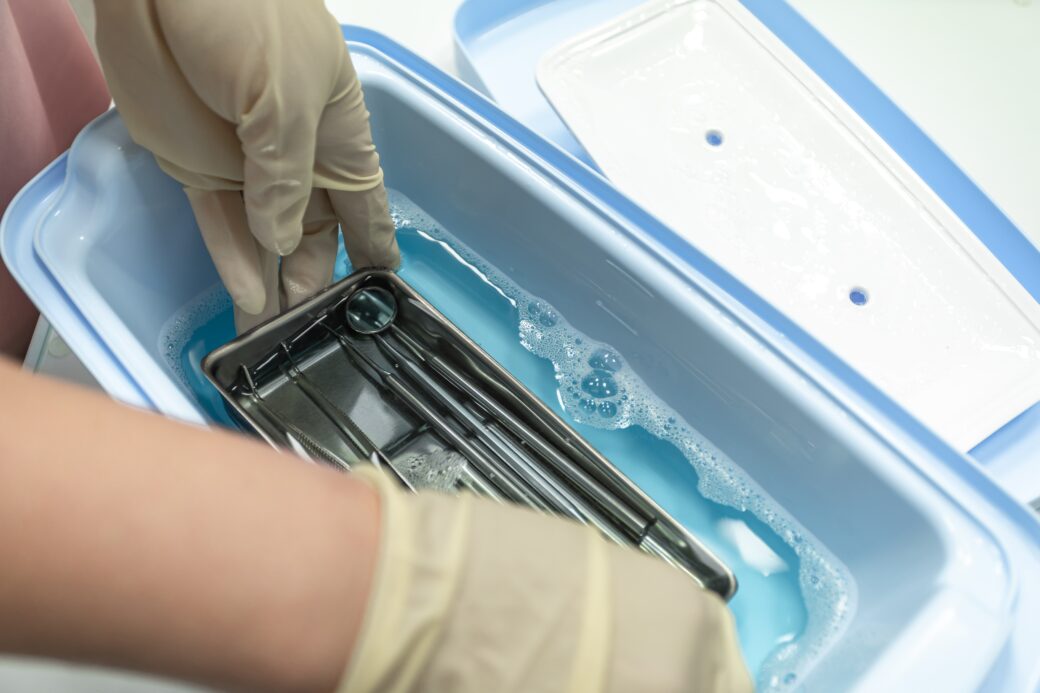
- Applying Disinfectants – Hospital-grade disinfectants, bleach solutions, or other chemical disinfectants are applied to surfaces to kill any remaining pathogens.
- Contact Time – The disinfectant is left on surfaces for the required contact time, which is usually between 3 and 10 minutes depending on the product used. This is important because disinfectants need sufficient time to destroy pathogens.
- Wiping or Rinsing – After contact time, surfaces are wiped or rinsed to remove excess disinfectant, ensuring no residue is left behind (which can be harmful or attract more dirt).
Why It’s Important
- Disinfection is essential for killing germs that can lead to infections, particularly in healthcare settings.
- It reduces the risk of hospital-acquired infections (HAIs) and ensures that any harmful bacteria or viruses are eliminated from surfaces.
Summary of the 3 Stages
- Pre-Cleaning – Remove loose dirt, dust, and debris. This prepares surfaces for more thorough cleaning and disinfection.
- Cleaning – Use detergents to clean surfaces and remove dirt, grime, and oils. Scrubbing is involved to break down stubborn stains.
- Disinfection – Apply disinfectants to kill remaining pathogens and ensure the space is sanitized.
When and Where is 3-Stage Cleaning Used?
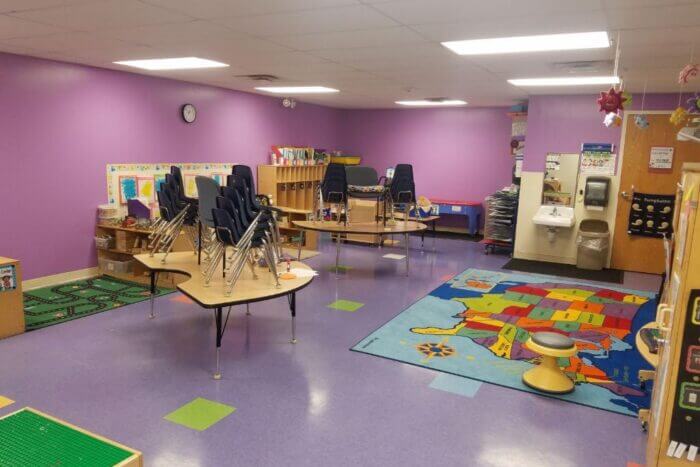
The 3-stage cleaning process is often used in hospitals, healthcare settings, foodservice environments, laboratories, and high-risk areas that need stringent infection control. It’s also common in restaurants and commercial kitchens where food safety is paramount, and in cleaning services for public spaces like schools, offices, or shopping centers.
Key Benefits of 3-Stage Cleaning
- Thoroughness – Each stage tackles a different aspect of cleaning, ensuring that all surfaces are both visibly clean and sanitized.
- Reduces Cross-Contamination – By breaking the cleaning process into stages, the risk of contaminating clean areas is minimized.
- Infection Control – Particularly important in environments like hospitals, this process helps prevent the spread of pathogens and infection.
3-stage cleaning provides a structured and effective way to clean, disinfect, and sanitize spaces, especially in high-risk areas like hospitals or kitchens, ensuring surfaces are both physically clean and free from harmful microorganisms.



Leave a Comment